Silent Hill Composer Eager for Resident Evil Collaboration
Author: Joshua
Aug 09,2026


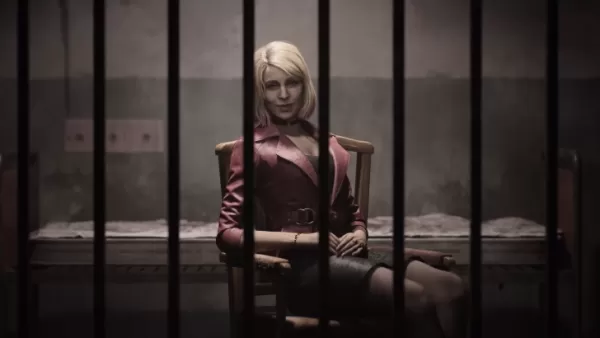
In a recent interview, Akira Yamaoka, the renowned composer behind Silent Hill, revealed a long-held ambition: to score music for Capcom's Resident Evil franchise. Read on to discover Yamaoka's insights into his creative process and his journey into the world of video game music.
In a conversation with Cyber Temple, developers of the upcoming game Dark Switch, Silent Hill's legendary sound director Akira Yamaoka expressed his desire to work on the iconic "rival" series, Resident Evil. Yamaoka contributed music to Dark Switch's soundtrack, and as part of the promotional campaign leading to its October 2025 release, the developers shared an interview delving into his career and compositional approach.
While Akira Yamaoka has composed for titles like Slitterhead, Lollipop Chainsaw, and Shadows of the Damned, he is most famous for defining the sound of Silent Hill. The series possesses a unique atmosphere, profoundly shaped by Yamaoka's signature dark ambient textures, trip-hop influences, inventive sampling, and the gritty industrial rock riffs reminiscent of late-90s and early-2000s alternative music.
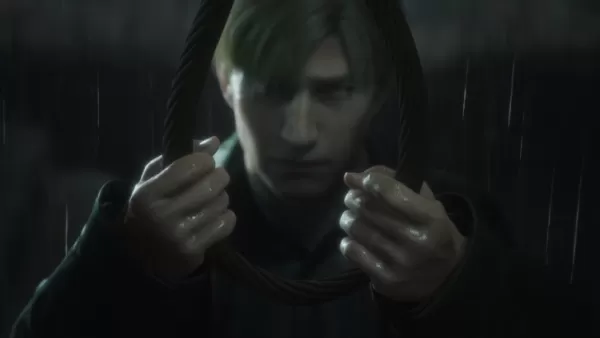
In a past interview with Daniel Kalabakov for the Swedish music site Spelmusik, Yamaoka explained that he volunteered for the Silent Hill project from its earliest concept stage, convinced that he alone could deliver the necessary auditory identity.
"Even from the initial planning phase, I believed I was the only person capable of handling this project. I was the first to raise my hand and volunteer."
It's often said that Silent Hill was Konami's more psychological answer to Capcom's action-oriented pioneer of survival horror. One might assume an artist so deeply connected to Silent Hill would avoid the "other side." However, many believe this perceived rivalry belongs in the 1990s, a time when successful horror games were far fewer.
Yamaoka's reason for wanting to work on Resident Evil is straightforward: he's a fan. Even before finding his creative home with Silent Hill, he was passionate about games and music. In a 2007 interview with Game Developer, he recounted teaching himself music production through computer experimentation. Only after discovering this talent did he leave his design career to pursue game music.
Yamaoka cites numerous artists as inspirations. Past interviews have highlighted influences like Depeche Mode, Metallica, Nine Inch Nails' Trent Reznor, and—importantly—Angelo Badalamenti, composer for David Lynch's seminal series Twin Peaks. This time, Yamaoka pointed to Ennio Morricone, the Italian maestro behind iconic scores for films like The Dollars Trilogy and Once Upon a Time in America.
Yamaoka admires Morricone's skill in weaving his distinctive style into a film without overshadowing its core identity. This philosophy deeply informs Yamaoka's own composition strategy, evident in his method for crafting effective game scores and in how his music became inseparable from the Silent Hill experience.
"I believe it's crucial to first understand the game's intended direction and its target audience," he told Cyber Temple. "The music should then be composed based on that foundation."
Fans who learned of Yamaoka's Cyber Temple interview reacted with excitement, demonstrating that any historic rivalry between Silent Hill and Resident Evil has faded. Many Resident Evil players expressed a desire for more compelling music in the recent remakes, while others eagerly imagined what a Yamaoka-composed save room theme might sound like.
Whether or not Yamaoka ever scores a Resident Evil title, the fan response makes it clear: his expertise and unique creative vision would be a celebrated addition to the series.