Coogler Explores Blues, Vampire Villain Origins
Author: Liam
Jan 15,2026


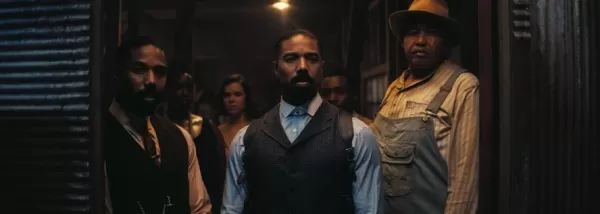
On the surface, Ryan Coogler’s Sinners presents as a vampire horror film, but its brilliance lies in vividly resurrecting 1930s Mississippi while harnessing the raw power of blues music – historically condemned as "the devil’s music" – to delve into its predominantly African-American ensemble. Michael B. Jordan delivers a standout dual performance as twin brothers Smoke and Stack.
"Beyond its bloodthirsty lore, Sinners pulses with musical vitality," remarks Eric Goldman in his glowing IGN review. "The blues performances by Sammie [Miles Caton] and local legend Delta Slim (Delroy Lindo) at Smoke and Stack’s establishment anchor a broader meditation on music’s universal resonance – connecting souls across generations, often unconsciously. Vampire leader Remmick (Jack O’Connell) offers a striking counterpoint: his Irish heritage weaves Celtic folk into the soundtrack with escalating intensity."
Coogler masterfully parallels African-American blues and Irish folk traditions to illuminate shared colonial traumas between humans and vampires. Both musical forms erupt into breathtaking sequences that, as Goldman observes, render Sinners "musical adjacent," demonstrating "how melodies transcend time to immortalize their creators."
In an exclusive interview (edited for clarity), Coogler discusses Sinners' musical soul, pivotal set pieces, and why vampire antagonist Remmick held personal significance akin to Black Panther's Killmonger.
IGN: How does blues music define this world and its characters?
Ryan Coogler: It’s an unflinching celebration of humanity – flesh and spirit intertwined. Blues embraces what church often edits out: desire, anger, suffering. This music emerged as rebellion against generational oppression while honoring beauty within struggle. Juke joints became sanctuaries where sharecroppers could reclaim sensuality stifled in cotton fields.
IGN: The vampires unite diverse backgrounds into a collective identity. How do you interpret this?
Ryan Coogler: I’ll let audiences project meaning onto Remmick’s horde. Personally, I’ve never connected with a villain like him. His shocking racial empathy – identifying with those he should theoretically prey upon – thrilled me creatively. Introducing vampires mid-transformation also felt fresh; we witness their metamorphosis versus encountering a pre-formed coven.
26 Images

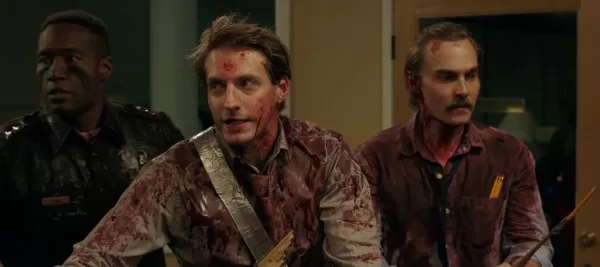
IGN: The juke joint and vampire musical sequences are transcendent. What inspired their conception?
Ryan Coogler: These scenes are the film’s thesis. Blues and Irish step-dance both emerged as acts of defiance – artforms forged in oppression. When Remmick, an Irish vampire, finds kinship with 1932 Clarksdale’s black community, that explosive cultural collision demanded cinematic innovation. We aimed to replicate that spine-tingling moment when virtuoso performers shatter expectations.
12 Images
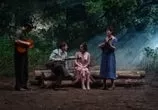
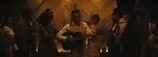
IGN: The juke joint’s single-take execution mirrors music’s timeless quality. How did this vision crystallize?
Ryan Coogler: Writing revealed vampirism alone couldn’t convey transcendence. That out-of-body sensation when witnessing mastery – "they tore the house down" – required bending cinematic language. The scene honors juke joints as spaces where ancestors and descendants might commune through perfect rhythm.
IGN: The Irish folk sequence equally dazzles with its tonal juxtaposition.
Ryan Coogler: Irish music weaponizes contrast like delta blues. "Rocky Road to Dublin" recounts tragedy with infectious energy – ideal for vampires decrying monsters while becoming them. Both cultures bury pain beneath dance; whether mourning or resisting, the response is celebration.
IGN: A defiant party.
Ryan Coogler: Exactly. Coded songs, hidden meanings – Remmick recognizes kindred spirits despite surface differences. That realization electrified our entire team. That’s why we make films.